Experienced Roofing Contractor for Durable Solutions
Selecting a experienced roofing contractor is important for ensuring long-lasting solutions. Their expertise and knowledge of materials can greatly impact a home's longevity and upkeep. A professional contractor not only adheres to industry standards but also offers insights into ideal choices for particular requirements. Comprehending the benefits and processes involved in selecting the right contractor presents important questions. What should property owners think about before deciding?
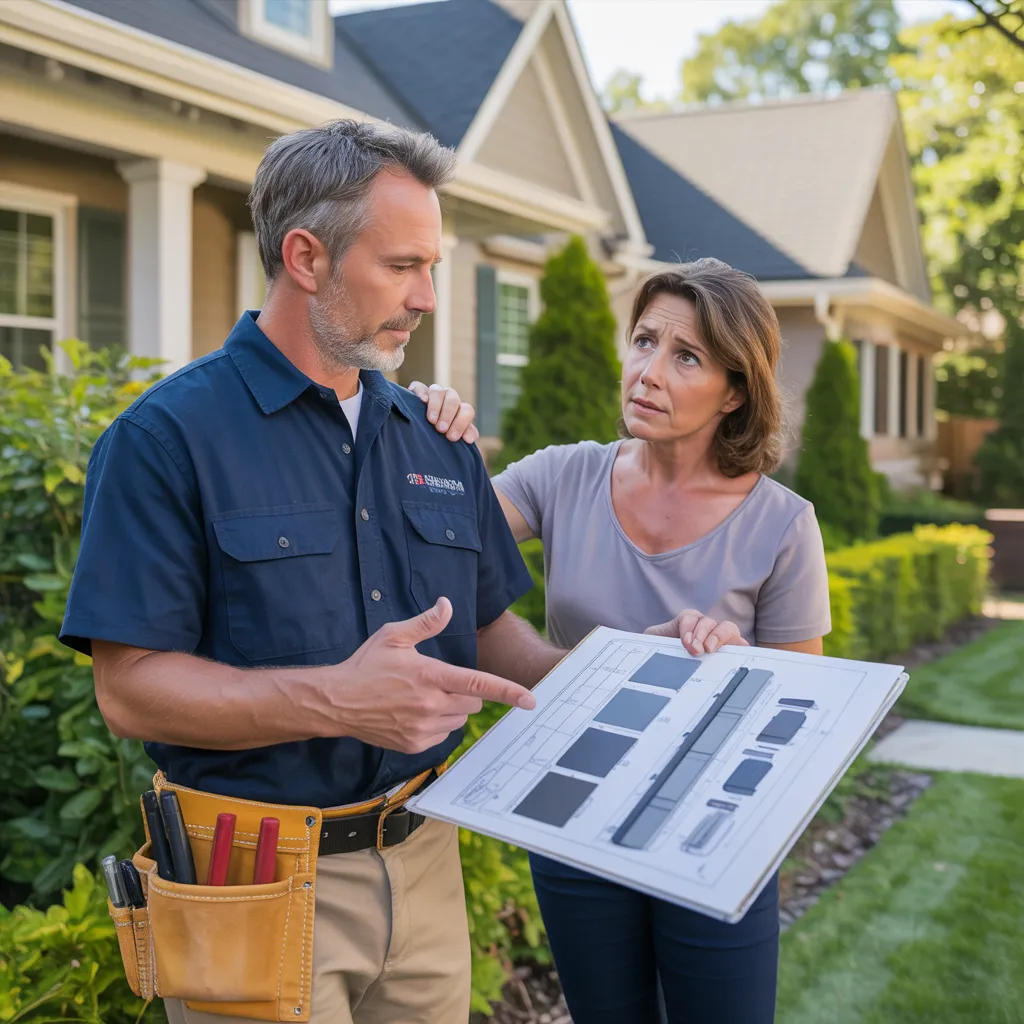
Why Hire a Knowledgeable Roofing Contractor?
When property owners seek roofing options, picking a skilled contractor can greatly impact the quality and longevity of the final result. Seasoned contractors have a wealth of knowledge about various roofing materials and techniques, permitting them to suggest the best options suited to specific needs. Their expertise ensures that installations comply with industry standards, minimizing the likelihood of future issues.
Furthermore, experienced contractors frequently have developed connections with suppliers, which allows them to acquire high-quality materials at attractive prices. This can result in a budget-friendly project without sacrificing quality.
Moreover, skilled contractors generally offer warranties on their projects, offering homeowners peace of mind. This guarantee reflects their confidence in the craftsmanship they provide. Ultimately, choosing an experienced roofing contractor not only enhances the short-term outcome but also supports the lasting performance and safety of the home.
How to Detect When You Should Hire a Roofing Contractor?
How can a property owner determine the right time to contact a roofing contractor? Identifying the indicators of roofing issues is essential for maintaining a secure and functional home. Homeowners should be watchful for absent, fractured, or warped shingles, which indicate possible damage. Additionally, the existence of moisture marks on overhead surfaces or walls may suggest leaks that need immediate attention. A sagging roofline is another serious warning sign, often leading to structural issues beneath the surface.
Furthermore, rising utility expenses can suggest insufficient ventilation or insulation resulting from roofing issues. Routine checks after severe weather events, such as storms or heavy snowfall, are important to catch any emerging issues promptly. If any of these red flags are noticed, it is recommended to contact a professional roofing contractor to evaluate the situation and suggest required repairs or replacements. Swift intervention can prevent additional deterioration and guarantee the longevity of the roof.
Advantages of Working with a Professional Roofing Contractor
Engaging a experienced roofing professional offers notable benefits, especially in competence and capability. These professionals are prepared to tackle various roofing challenges while maintaining the employment of high-quality materials. Consequently, this creates resilient and dependable roofing outcomes that can survive the demands of time.
Advanced Experience And Capabilities
Though many homeowners may consider undertaking roofing projects themselves, the expertise and skills of a professional roofing contractor can greatly enhance the result. These experts have specialized training and extensive experience, enabling them to spot possible defects that an inexperienced observer might overlook. Their proficiency in various roofing techniques guarantees correct fitting, which is vital for longevity and sturdiness. Furthermore, skilled contractors remain informed on the latest industry standards and safety regulations, limiting danger during the project. By drawing on their capabilities, homeowners can sidestep expensive blunders often caused by DIY projects. Ultimately, engaging a roofing contractor not only leads to higher-quality work but also provides peace of mind, knowing that the roofing system is in reliable hands.
Superior Materials Assurance
A experienced roofing contractor provides not only expertise but also access to top-notch materials that greatly influence the durability and performance of a roofing system. By sourcing materials from reputable manufacturers, these contractors guarantee that clients receive products engineered to withstand environmental stresses, such as extreme weather conditions. This commitment to quality minimizes the likelihood of repairs or replacements in the future, giving homeowners peace of mind. Additionally, professional contractors are knowledgeable about the latest industry standards and innovations, allowing them to recommend materials that boost energy efficiency. Ultimately, the choice to hire a professional roofing contractor guarantees that the roofing project is completed with superior materials, resulting in a trustworthy and long-lasting roofing solution.
Types of Roofing Materials and Their Longevity
When assessing roofing options, different types provide notable advantages regarding durability. Asphalt shingles, recognized for their affordability, deliver a dependable solution, while metal roofing presents improved longevity and resistance to harsh conditions. Additionally, tile roofing is praised for its remarkable durability, making it a worthwhile consideration for homeowners seeking lasting protection.
Asphalt Shingles Guide
Many residents favor asphalt shingles because of their combination of low cost and durability. These shingles are mainly made of bitumen and fiberglass, providing a versatile roofing solution. They come in a range of styles and colors, enabling homeowners to tailor their roofs to suit their design tastes. The expected lifespan of asphalt shingles is between 15 and 30 years, based on the quality and installation. Moreover, they excel in different weather conditions, standing up to wind and rain well. Maintenance is fairly simple, often requiring just scheduled inspections and cleaning. As a commonly used roofing material, asphalt shingles also offer good fire resistance, enhancing their appeal to homeowners looking for trustworthy and affordable roofing choices.
Metal Roof Benefits
When numerous property owners pursue durability in roof solutions, metal roofing excels as an outstanding choice. Recognized for its impressive longevity, metal roofs can last 40 to 70 years, considerably surpassing traditional options like asphalt shingles. They are resistant to a variety of weather conditions, including heavy rain, snow, and wind, making them ideal for diverse climates. Additionally, metal roofing bounces back solar heat, contributing to power conservation and reducing cooling costs. Its lightweight nature allows for easier installation and less structural strain. Available in a selection of styles and colors, metal roofs also improve a home's visual charm. With reduced maintenance requirements, metal roofing proves to be a sensible investment for homeowners prioritizing durability and sustainability.
Tile Longevity Information
Tile roofing offers another robust alternative for homeowners seeking enduring solutions. Recognized for its durability, tile roofing can endure harsh weather conditions, including intense sunlight, heavy rain, and strong winds. Clay and concrete tiles are the most prevalent types, each delivering unique advantages. Clay tiles are fire-resistant and can last over 100 years, while concrete tiles offer cost-effectiveness and versatility in design. Both types call for minimal maintenance and are resistant to rot and insects. Additionally, tile roofing contributes to energy efficiency by reflecting sunlight, reducing cooling costs. However, it is critical to examine the weight of tile roofing, as it may need additional structural support. Overall, tile roofing remains an excellent choice for durability and longevity.
Reviewing Roofing Work: Important Quality Indicators
When evaluating the standard of roofing work, multiple important factors emerge that can significantly impact a project's durability and performance. First, the materials selected must comply with industry standards; premium materials ensure longevity and withstand environmental stressors. Second, the installation method is critical; faulty installation can lead to leaks and structural issues, regardless of material quality. Third, careful attention in flashing and sealing can prevent water intrusion, a common cause of damage.
Also, the availability of proper ventilation is required, as it helps in regulating temperature and moisture within the roofing system. To conclude, a reputable contractor will deliver warranties for both materials and workmanship, conveying belief in their performance. By reviewing these markers, building owners can achieve clarity about the quality of roofing work and its potential impact on their investment.
Important Questions to Think About Before Choosing a Roofing Contractor?
What approach should homeowners employ when selecting a roofing contractor? Homeowners can guarantee a successful roof job by asking several key questions. To start, check the contractor credentials and insurance coverage as a way to confirm their legitimacy and protection from potential liabilities. Subsequently, seek references from previous clients, which provides insight into the contractor track record and dependability.
Also, homeowners should go over the schedule estimate and payment structure for the project, guaranteeing clarity on read guide expenditures and deadlines. Asking about the materials utilized and their protection plans can also indicate the contractor's commitment to resilience and craftsmanship. Finally, knowing the contractor's plan to safety standards can provide reassurance about the workplace. By addressing these questions, homeowners can make informed decisions and identify a roofing expert that matches their individual needs.
Picking the Right Roofing Material for What You Require
Choosing the correct roofing material is vital for preserving a property's long-term resilience and curb appeal. Several factors determine this decision, including climate, budget, and architectural style. Asphalt shingles are favored for their reasonable pricing and simple installation process, making them fitting for many homeowners. Metal roofs, regarded for their extended lifespan and protection against harsh weather, appeal to those wanting robust solutions.
For a more environmentally friendly solution, slate and tile offer durability and a one-of-a-kind aesthetic but come at a higher expense. Plus, homeowners should examine efficiency ratings; materials like reflective metallic finishes can minimize cooling outlays.
In the final analysis, the selection should match both functional needs and individual preferences. Consulting with an expert roofing contractor can supply important perspective, ensuring that the chosen material complements the property while addressing long-term requirements.
Often Inquired Questions
How long does a standard roofing project take to complete?
A typical roofing project usually takes between one to three weeks to complete. Determinants of the timeline include roof size, materials used, weather conditions, and the difficulty of the installation process.
Which warranties do roof specialists commonly provide for their work?
Roofing professionals typically offer warranties ranging from 5 to 30 years, depending on the materials used and the complexity of the project. These warranties often include workmanship and material defects, guaranteeing long-term coverage for clients.
Can you locate financing solutions for your roofing work?
Professional roofing contractors offer financing solutions, including installment plans, loans, and credit lines. These solutions can help homeowners manage costs efficiently, rendering roof work accessible without reducing workmanship or essential maintenance.
What Steps Can I Take to Protect My Roof After-Installation?
To preserve a roof after installation, periodic checks for damage and debris are essential. Cleaning gutters, inspecting flashing, and ensuring adequate ventilation can prevent issues, prolonging the roof's lifespan and maintaining its integrity.
What Should I Do if I Notice Roof Leaks?
After spotting roof leaks, the individual should urgently look for recognizable damage, check gutters, and dispose of debris. Contracting a qualified professional for a in-depth analysis and necessary repairs provides long-lasting security and mitigates future building framework complications.